Durability and Maintenance of Plastic Name Badges Explained
In many workplaces, small details shape how people experience a brand. Identification tools may seem simple, but they play a real role in daily operations. Plastic Name Badges continue to be a popular choice across industries because they balance durability, ease of use, and cost. Understanding how they hold up over time and how to care for them helps businesses make better decisions and get long-term value from their investment.
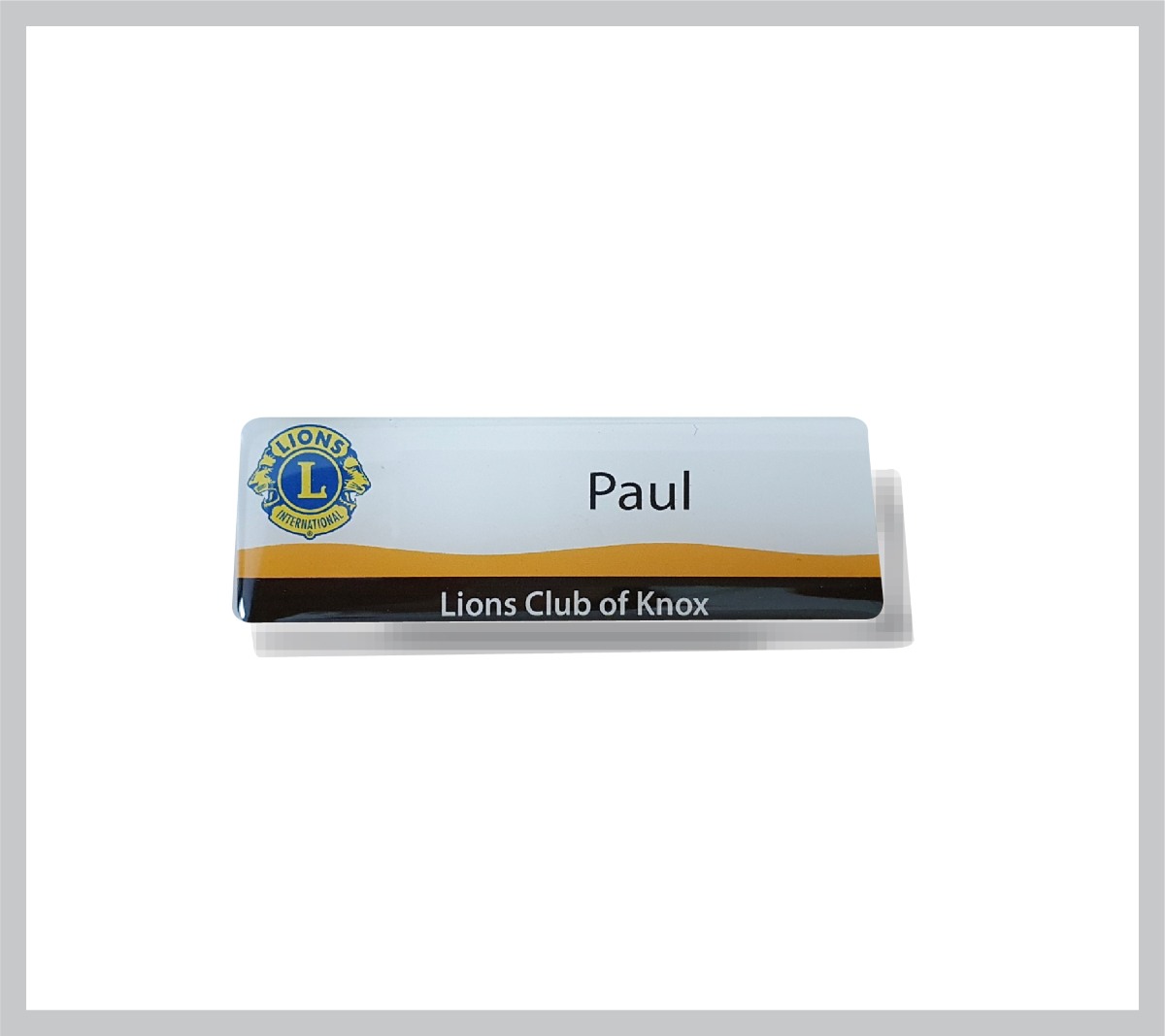
Why Durability Matters in Everyday Workplaces
Durability is not just about how long a badge lasts. It affects consistency, safety, and professionalism. In environments where staff are moving, interacting with customers, or working long shifts, name badges are exposed to friction, moisture, and frequent handling.
Plastic materials are designed to withstand daily wear without cracking, rusting, or fading too quickly. When produced with quality finishes and proper thickness, plastic badges maintain their appearance even with regular use. This reliability reduces the need for frequent replacements and ensures staff always present a neat, professional image.
Material Quality and Manufacturing Standards
Not all plastic name badges are created equal. The quality of materials and manufacturing processes makes a noticeable difference. High-grade plastics resist bending and surface scratches better than low-cost alternatives. Clear printing, sealed finishes, and strong fasteners also contribute to a longer lifespan.
We focus on production standards that support daily use rather than short-term fixes. A badge that holds its shape, stays legible, and keeps its attachment secure supports smoother workplace operations and avoids small frustrations that can add up over time.
Comfort and Ease of Use for Staff
Comfort is often overlooked when choosing name badges. Plastic badges are lightweight, which makes them comfortable to wear for extended periods. They sit well on uniforms, shirts, or jackets without pulling fabric or causing irritation.
Ease of use matters just as much. Magnetic backs, pin fittings, or clip options allow businesses to choose what suits their staff best. When badges are easy to put on, remove, and adjust, staff are more likely to wear them consistently and correctly.
Maintenance and Daily Care
One of the strongest advantages of plastic badges is how easy they are to maintain. Regular cleaning with a soft cloth and mild detergent keeps them looking fresh. Unlike metal, plastic does not require polishing or special treatments.
Proper storage also helps extend lifespan. Keeping spare badges flat and protected from heat or heavy pressure prevents warping. Simple habits like removing badges at the end of a shift and avoiding harsh chemicals make a noticeable difference in long-term appearance.
Midway through daily operations, businesses often realise that Plastic Name Badges reduce maintenance time compared to other materials. That saved effort matters in busy workplaces where efficiency is essential.
Impact on Customer Experience
Customers notice details, even subconsciously. Clear, readable name badges make interactions feel more personal and approachable. When badges remain clean and intact, they reinforce trust and professionalism.
Damaged or faded badges can send the wrong message, suggesting a lack of attention to detail. Durable plastic options help maintain consistency across teams, ensuring that staff presentation matches the standards customers expect.
Versatility Across Industries
Plastic name badges are used across retail, healthcare, education, hospitality, and events. Their versatility lies in design flexibility and practical performance. They can be customised with colours, logos, and role titles while remaining affordable.
This adaptability makes them suitable for permanent staff, temporary workers, volunteers, and event teams. Businesses can scale their use easily without compromising on quality or appearance.
Long-Term Value and Cost Efficiency
Replacing name badges frequently adds unnecessary costs. Durable plastic options reduce replacement cycles and support long-term budgeting. When maintenance is simple and damage is minimal, businesses save both time and money.
Long-term value also comes from consistency. When badge designs remain usable over time, branding stays uniform and recognisable. This stability supports internal organisation and external brand perception.
Thoughtful Choices and Sustainability
Sustainability is becoming part of everyday decision-making. Many plastic badges today are designed for reuse, allowing name inserts to be updated rather than replacing the entire badge. This reduces waste and extends product life.
Choosing durable products is itself a sustainable decision. Fewer replacements mean fewer resources used over time. Thoughtful material selection and responsible use help businesses align with changing expectations around environmental responsibility.
Conclusion
Plastic name badges may seem like a small detail, but their durability and ease of maintenance play a meaningful role in workplace efficiency and presentation. When chosen carefully and cared for properly, Plastic Name Badges support comfort, professionalism, customer trust, and long-term value. At Lega Recognition Solutions, we believe practical design and reliable quality help businesses focus on what matters most: people, service, and lasting impressions.


Comments
Post a Comment